HULL GELMARINE RESTORATION · RIVER THAMES
The Hull Gel approach / From first enquiry to finish

Good restoration begins with understanding.

Every boat has a history, and every owner has a different ambition for its future. Before recommending work, we seek to understand both.

Our guiding principle

Preserve what is sound. Repair what needs attention. Refinish to a standard worthy of the vessel.

Individual attention · Technical judgement · Careful craftsmanship
A considered way forward

Not every boat needs the same solution.

Some owners are planning a complete overhaul. Others have tired gelcoat, damaged paintwork or a particular area that needs specialist attention. The starting point is the same: a clear conversation about the vessel and the result you would like to achieve.

We look beyond the visible finish, consider the condition beneath it where necessary, and recommend work that is appropriate to the boat rather than work for its own sake.

How a project takes shape

From the first conversation to the finishing touches.

A straightforward framework, adapted to the scale and requirements of each vessel.

  1. 01
    First contact

    Tell us about your boat.

    We begin with the vessel, its present condition and what matters most to you. Whether the aim is to restore a much-loved cruiser, correct longstanding defects or prepare a boat for sale, the conversation helps us understand your priorities.

    A useful starting point: the boat's make and model, the areas of concern, any relevant photographs and the outcome you have in mind.

  2. 02
    Understanding the work

    Assess what is there.

    Where appropriate, we inspect the vessel to understand the condition of its surfaces, the materials involved and any previous repairs. We distinguish between defects requiring remedial work and finishes that can be preserved through careful correction and refurbishment. For an owner assessing a purchase or planning a major overhaul, a visual cosmetic condition report can help identify surface defects and likely restoration needs; it complements rather than replaces a marine survey.

    The purpose: sound technical decisions before committing to a treatment or finish.

  3. 03
    A considered proposal

    Agree the right plan.

    We discuss the proposed scope, priorities and practical sequence of work, taking account of the boat, the owner's aims and the available budget. If additional issues become apparent during a restoration, they are considered and discussed rather than assumed to be part of the original plan.

    The objective: a clear understanding of the work to be undertaken and why it matters.

  4. 04
    The restoration

    Carry out the work, methodically.

    From removing defective gelcoat and treating corrosion to fairing, refinishing and surface correction, each stage receives the preparation and attention that the material demands. The work follows the agreed scope, with progress discussed as the restoration develops.

    The emphasis: sound repairs, considered techniques and care for the finished surface.

  5. 05
    The final presentation

    Review, detail and return.

    The final stage brings the work together. Finished areas are reviewed, fittings and components reinstated where required, and the vessel cleaned and detailed in preparation for its return to the owner or, where relevant, relaunch.

    The objective: not simply to complete the repairs, but to present a boat that reflects the care invested in restoring it.

That is how we approach the work. For your own boat, it starts with one conversation.

Planning the practicalities

Where and how the work happens.

Every vessel is different. Location, access and the extent of the restoration are considered as part of planning the work.

At our Thames base

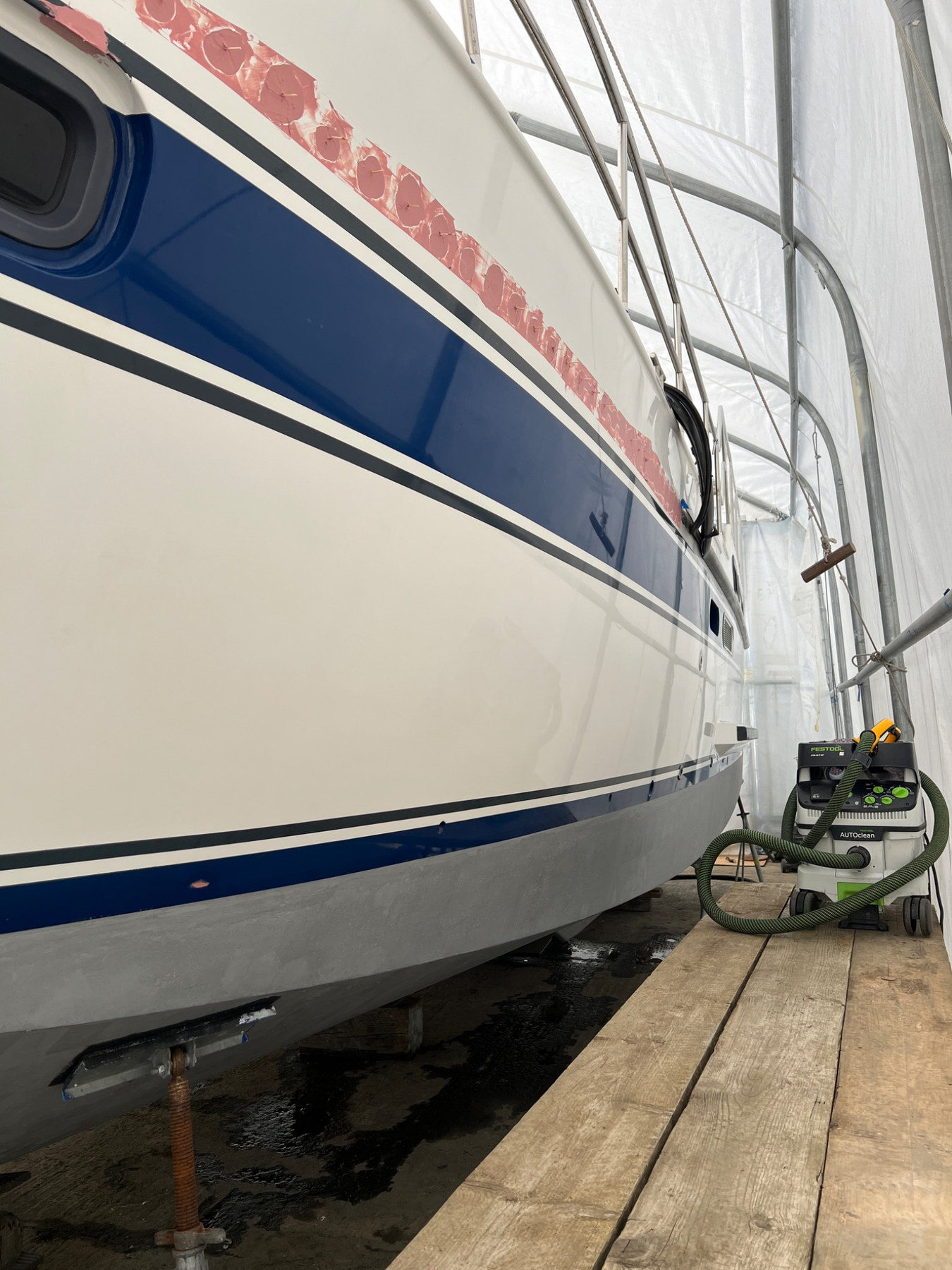
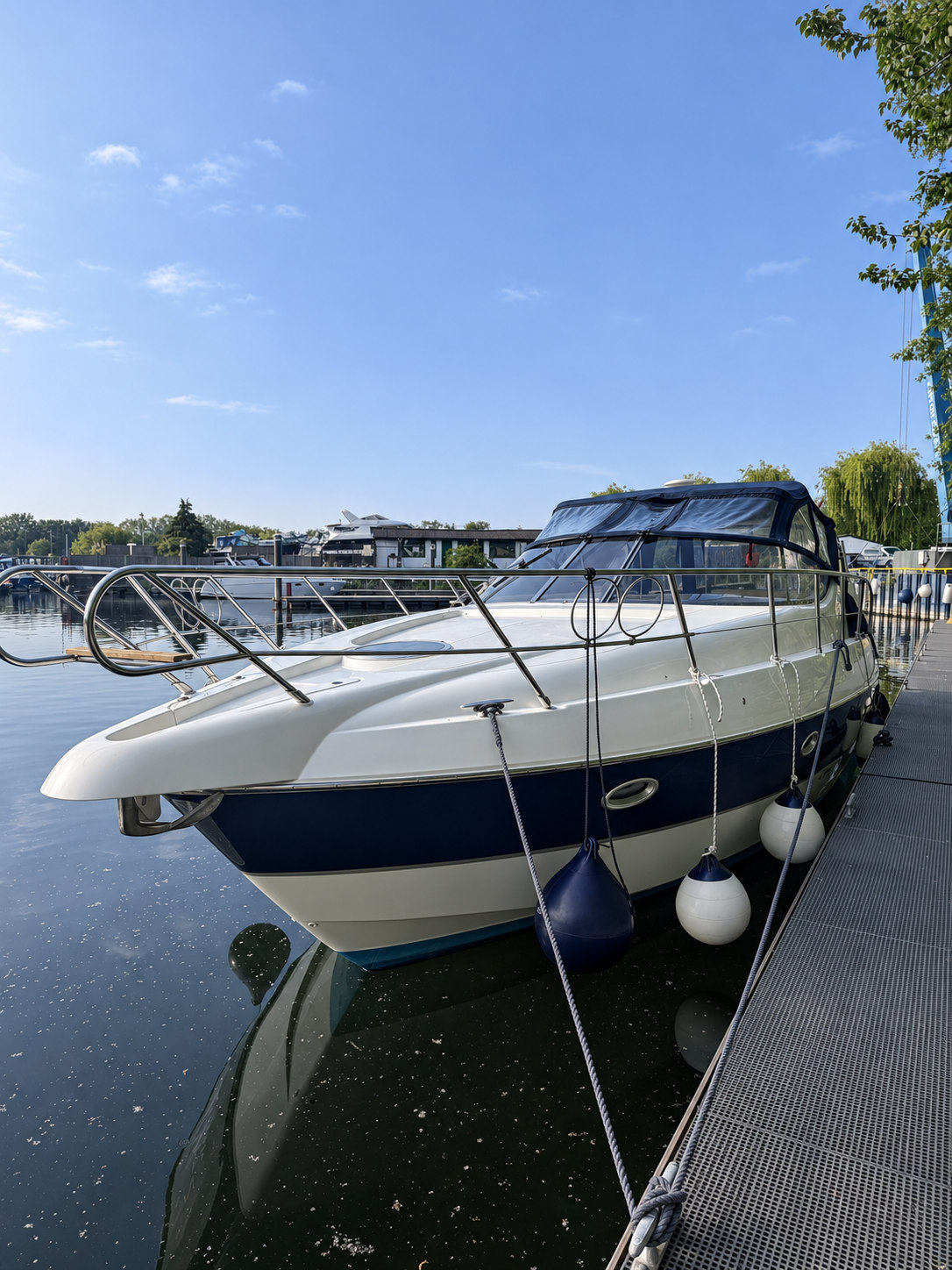
Hull Gel's Penton Hook Marina facilities are our main working base for specialist repairs, refinishing and substantial exterior overhauls. We welcome suitable projects from across the UK, with access, lifting and transport arrangements discussed before work begins.
Access, lifting and movement

Whether a boat needs to be ashore, moved or lifted depends on the work involved. Any necessary access and marina arrangements can be discussed before the project begins.

Scope, budget and timing

Following an initial conversation and, where appropriate, a vessel assessment, we discuss the proposed scope, priorities and practical sequence of work. Timescales depend on the boat's condition, the extent of restoration and access arrangements.

Your next step

Tell us about the boat you have — and the one you want it to become.

You don't need to know the technical solution or have a complete restoration plan. Start by telling us what concerns you, what you'd like to improve and what matters most. We can then explore a sensible way forward.

Helpful details, if you have them
  • The vessel's make and model
  • What you would like repaired or improved
  • A few photographs of the areas concerned

No formal brief needed to begin.

Words from a client
Read more client experiences →
“Professional, competent, trustworthy and friendly. Choose this guy!”
Emma K
Your vessel / The next chapter

Tell us what you would like to achieve.

You do not need to arrive with a finished restoration plan. An initial conversation is a sensible place to begin.